


Orthopedics
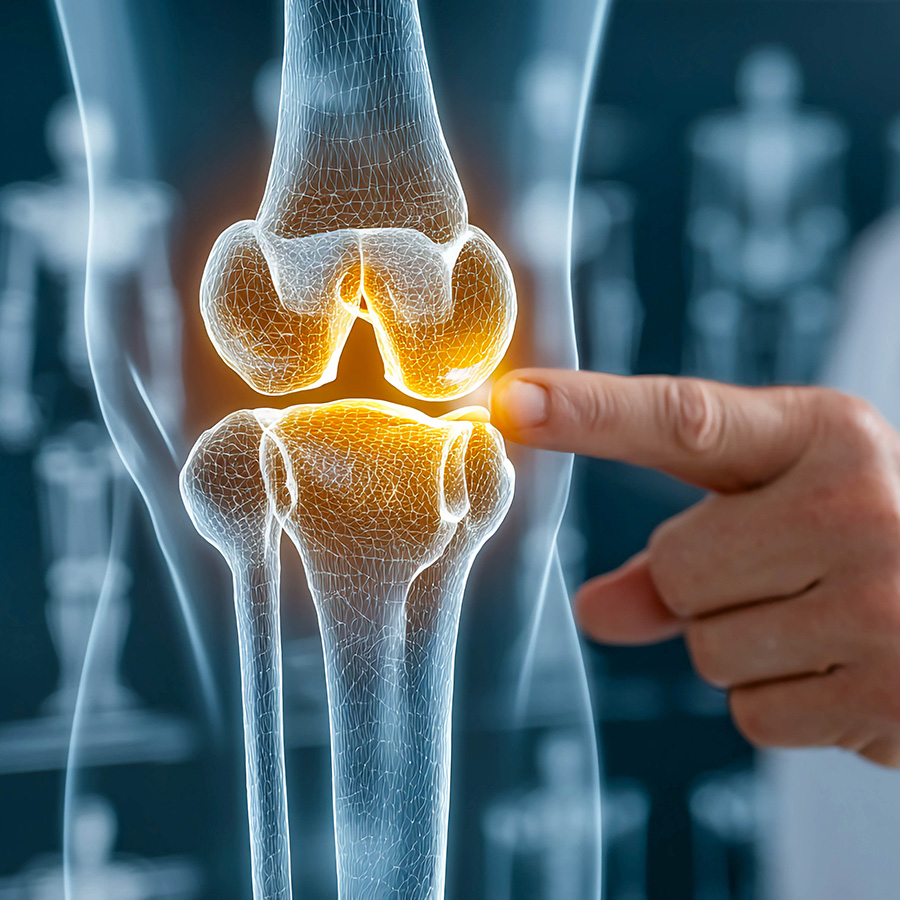
Musculoskeletal conditions represent one of the most significant global public health challenges, constituting the second leading cause of disability, with low back pain being the primary cause of functional limitation. More than 1.7 billion people worldwide live with musculoskeletal disorders, significantly affecting quality of life, daily functionality, and economic productivity.
These conditions affect all age groups, with increased prevalence among both adolescents and, more notably, the aging population. Population aging in Europe acts as an accelerator of disease burden, increasing the incidence of degenerative conditions such as osteoarthritis and osteoporosis. In particular, osteoporosis, which affects approximately 32 million people over the age of 50 in Europe (with a clear predominance in women), dramatically increases the risk of fractures and the need for long-term care.
At the same time, injuries from trauma and sports activities constitute another critical pillar of orthopedic care. From road accidents to sports injuries, damage to the musculoskeletal system can have profound and long-term effects on functionality and social integration of patients. Spinal injuries, fractures, and ligament tears require specialized interventions and comprehensive rehabilitation.
Within this complex and growing burden, medical technology solutions play a decisive role across the entire continuum of care. From early and accurate diagnosis through imaging technologies (such as X-rays, CT scans, and MRI), to advanced surgical interventions and rehabilitation, technology accelerates diagnosis, improves clinical outcomes, and reduces the overall cost of care.
Modern orthopedic interventions include:
- Joint implants (hip, knee, shoulder, etc.) that restore mobility and patient independence
- Minimally invasive techniques that reduce hospitalization time and accelerate recovery
- Osteosynthesis materials (plates, screws, intramedullary nails) for fracture management
- Innovative spine solutions, such as kyphoplasty, which significantly improve quality of life
Timely access to orthopedic interventions is not merely a clinical choice but a strategic investment for healthcare systems. Delayed treatment leads to deterioration of the condition, increased disability, and higher socioeconomic costs.
The SEIV Orthopedics Sector aims to highlight the critical role of medical technology in the prevention, diagnosis, treatment, and rehabilitation of musculoskeletal conditions. At the same time, it seeks to contribute to policy design that ensures timely patient access to innovative solutions, strengthening a sustainable, efficient, and patient-centered healthcare system.
The challenge is clear: it is not only about restoring mobility, but about bringing people back to an active, productive, and high-quality life.
 News
News Meetings & Events
 Legislation
 Positions / Memos of the SEIB
 Presentations
 Meeting Notes
 Other Useful Material
 8 Michail Chatzikonstantis St., 115 24, Ampelokipoi, 3rd floor
 210 6985914 & 916
  info@seiv.gr


